Introduction
The Advisory Opinion of the International Court of Justice (ICJ) about States' obligations concerning climate change signifies a critical moment of transition in the development of international environmental law, global climate governance and human rights law. It aims to elucidate the legal obligations of States for the prevention and mitigation of climate-induced challenges. In addition to its legal relevance, this opinion, initiated by a resolution of the United Nations General Assembly in 2023, is anticipated to shed light on the nexus between climate change and human rights, especially the rights of Indigenous peoples, who are one of the most adversely affected groups. Indigenous peoples are severely vulnerable to the negative impacts of environmental degradation, rising sea levels, and biodiversity loss because of their ancestral ties to their lands, ecosystems, and natural resources. On the other hand, they are essential collaborators in attaining ecological resilience and climate justice due to their traditional knowledge systems and sustainable resource management techniques. By addressing these aspects, the ICJ may strengthen the relationship between environmental preservation and human dignity by advancing the acknowledgment of indigenous peoples' rights and facilitating their involvement in environmental decision-making.
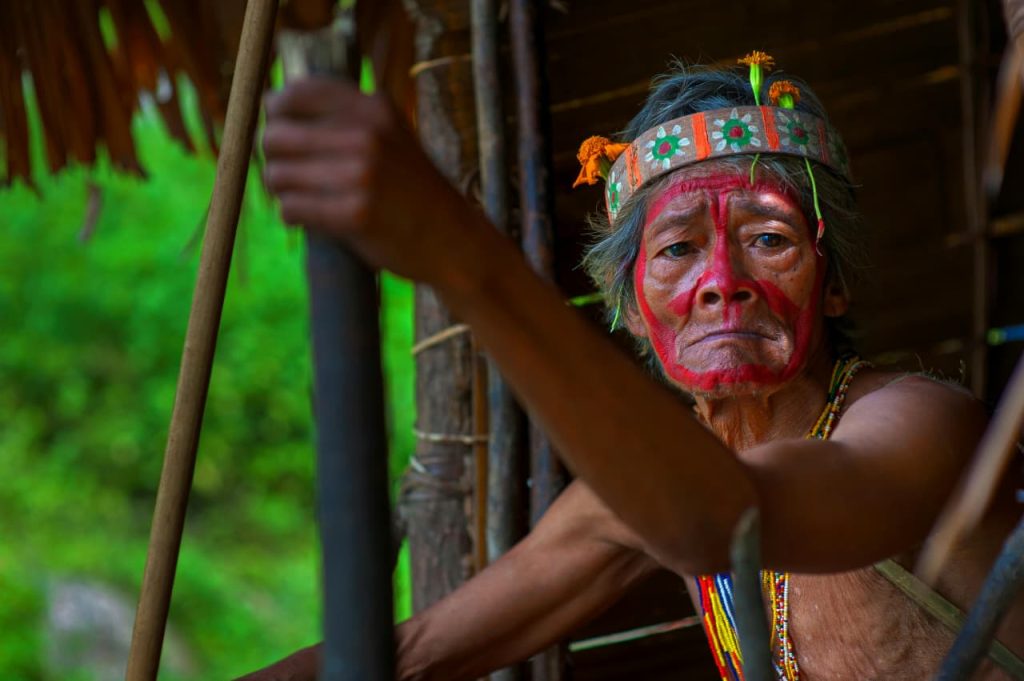
Indigenous communities are experiencing the harsh realities around the world as they face high levels of marginalisation and discrimination due to climate-induced challenges. Despite contributing a tiny proportion of global carbon emissions, Indigenous People face the direct consequences of climate change. Their intimate relationship with the natural environment means that climate change poses unique challenges to their lives. Climate change threatens the habitats and ecosystems that Indigenous communities rely on for food, shelter, water, medicine, livelihoods, and identity. Indigenous communities residing in the Chittagong Hill Tracts and coastal areas of Bangladesh are no exception. The recent ICJ advisory opinion on climate change marks an important acknowledgement of the unique vulnerability of Indigenous communities recognizing that the consequences of climate inaction are a common concern of humankind. By reinforcing state responsibility, the Opinion underscores the principle of climate justice and affirms that it requires states to take concrete measures to address the disproportionate impacts faced by Indigenous communities.
Protecting the Human Rights and Environmental Sovereignty of Indigenous Peoples
Indigenous people are entitled to all human rights without discrimination. The United Nations has an important and continuing role to play in promoting and protecting the rights of Indigenous peoples. According to the United Nations Declaration on the Rights of Indigenous Peoples, Indigenous peoples have the right to the conservation and protection of the environment and the productive capacity of their lands or territories and resources. Indigenous peoples have the right to maintain, control, protect and develop their cultural heritage, traditional knowledge and traditional cultural expressions, as well as the manifestations of their sciences, technologies and cultures, including human and genetic resources, seeds, medicines, knowledge of the properties of fauna and flora. Indigenous peoples have the right to determine and develop priorities and strategies for the development or use of their lands or territories and other resources.
There are more than 5,000 types of Indigenous peoples around the world. It comprises almost 476 million people (Indigenous Peoples Overview). It covers around 6.2% of the global population. However, Indigenous Peoples continue to be left behind and suffer disproportionately from climate change, environmental degradation, high levels of poverty, poor access to education, health, and broader human rights violations (OHCHR and Indigenous Peoples). They are also disproportionately impacted by fossil fuel exploration. For example, Amnesty International has shown how Indigenous communities were affected by coal mining in India. Unfortunately, they are rarely properly consulted. Later, their land was acquired by hampering ecosystems and jeopardizing livelihoods. Amnesty International has also documented how environmental defenders in America are being intimidated, attacked, harassed and killed currently. In 2022, 177 people were killed for defending the environment and almost 88% of such killings are taking place in America. Colombia has been the deadliest country for environmental defenders, with 60 murders. Brazil, Mexico and Honduras are also in the list. Of those killed across the year, 34% were Indigenous people.
The ICJ opinion holds particular relevance for Bangladesh. Here, Indigenous communities such as the Chakma, Marma, Tripura, Santal, and Garo reside mostly in the Chittagong Hill Tracts and the northern and northwestern riverine regions of Bangladesh. Their rights are directly threatened by the worsening effects of climate change. They experience displacement, loss of livelihoods, and deterioration of cultural assets. The situation of Indigenous people should be taken into consideration within the framework of the ICJ’s advisory opinion. This framing will definitely facilitate the imperative of integrating international legal norms, climate justice, and Indigenous rights protection in the legal framework of Bangladesh.
Legal Recognition of Indigenous Rights in the ICJ Climate Advisory Opinion
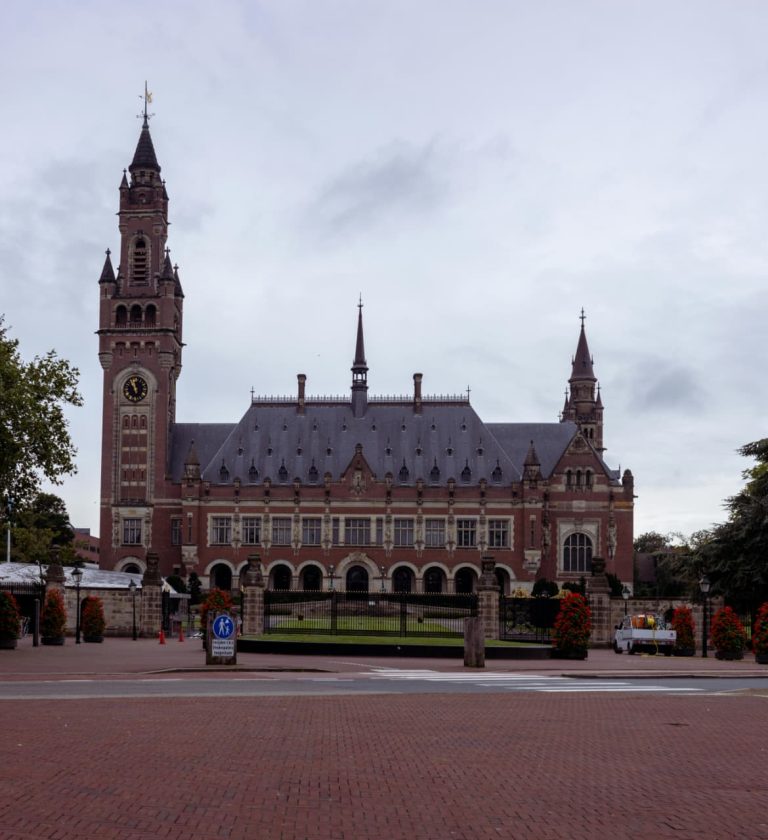
The International Court of Justice’s landmark Advisory Opinion on the Obligations of States with Respect to Climate Change delivered on 23 July 2025 has unequivocally placed human rights at the centre of the applicable law on climate change and has established a legal foundation for climate justice, affirming states' obligations to act ambitiously to limit global warming and protect human rights, including those of Indigenous peoples. While non-binding, the Opinion's due diligence standard for state action and its emphasis on scientific consensus and human rights create a powerful framework for advocacy and future legal claims, particularly by Indigenous communities disproportionately affected by climate impacts.
The Opinion provides a legal basis for Indigenous communities to strengthen their legal claims and advocacy efforts by demanding accountability for states that fail to meet their obligations (Page 111, Paragraph 382). The Opinion creates a powerful "legal boost" for climate justice, providing a strong foundation for advocates, communities, and legal practitioners to push for real-world climate action and accountability. The ICJ further recalls the preamble to the Paris Agreement which states that “climate change is a common concern of humankind, Parties should, when taking action to address climate change, respect, promote and consider their respective obligations on human rights, the right to health, the rights of Indigenous peoples, local communities, migrants, children, persons with disabilities and people in vulnerable situations and the right to development, as well as gender equality, empowerment of women and intergenerational equity”.
The ICJ in the Advisory Opinion uses Intergovernmental Panel on Climate Change’s (IPCC) findings to articulate the causal links between climate change and the impairment of human rights under the International Covenant on Civil and Political Rights (ICCPR) and the International Covenant on Economic, Social and Cultural Rights (ICESCR). It particularly highlights how marginalized groups, especially women and Indigenous peoples are disproportionately affected (paras. 77, 384). Charlesworth J. provides a more developed intersectional analysis of climate impacts, concluding that States have “a particular obligation to protect the human rights of vulnerable groups which requires close attention to the potentially discriminatory effects of measures taken to respond to climate change” (para. 29).
The ICJ also mentioned several important principles for the interpretation and application of international law with direct implications for the rights of Indigenous Peoples and minorities. The principle of equity strengthens legal claims for Indigenous Peoples and minorities to receive targeted protection and support for the preservation of their land, knowledge systems and cultural identity for future generations. The principle of sustainable development prevents development projects that endanger Indigenous land rights, livelihoods and traditional ecological practices. The court’s support for The principle of common but differentiated responsibilities requires for wealthier, historically high-emitting states to provide Indigenous peoples and minorities with the means to adapt to climate impacts, protect their territories and rights and participate meaningfully in climate governance. All these principles can be invoked to argue that climate justice must be advanced in accordance with human rights to redress past harms and provide access to loss and damage mechanisms. It can also provide financial and technical support for restoring ecosystems, cultural heritage and community resilience.
Despite its strong pronouncements on climate justice, the ICJ’s opinion is not legally binding. Hence, states are under no formal obligation to comply. Its real impact now lies in the hands of legal practitioners, advocates, impacted communities and human rights defenders. In October, the case of the Muddusjärvi Reindeer Herders’ Cooperative v Finland will be heard. The collective is part of the Indigenous Inari Sámi community. Like many Indigenous peoples, their lifestyle and livelihoods are connected with their ancestral land. Climate induced challenges have harmed their habitat and severely endangered their traditional reindeer-herding practices. Their case sets out how Finland failed to prevent and mitigate this discrimination. It is a violation of their human rights. A victory for the Muddusjärvi Cooperative would give renewed hope to minorities and Indigenous peoples worldwide. The opinion also offers influential support to communities who have already won their legal battles but whose governments continue to drag their feet on implementation. This includes cases where communities have rightly argued that state-led climate measures were designed and implemented in violation of their rights such as in the cases of the Indigenous Ogiek in Kenya, Batwa in the DRC, Kichwa in Peru, and many others. By reinforcing states’ legal obligations, the ICJ opinion helps dismantle the excuses often used to justify delay or inaction.
Conclusion
The ICJ advisory opinion considers that the full enjoyment of human rights cannot be ensured without the protection of the climate system. In addition, states must take urgent measures to protect the climate system and other parts of the environment for safeguarding the most vulnerable communities. In countries like Bangladesh, where the Indigenous communities are suffering the most due to the changing climate, the Opinion could also empower Indigenous groups and civil society to hold the government accountable for climate inaction or harmful development practices, using international legal standards as a basis for advocacy and litigation.
Bangladesh can definitely utilise this opinion as a legal basis for developing or amending its national environmental legislation. Therefore, Bangladesh can introduce a rights-based and participatory approach within its environmental legal framework for safeguarding the constitutionally protected rights to life, livelihood, and dignity. Legislative reforms will be highly appreciated in this regard. Some crucial changes in the Environmental Conservation Act, 1995 and the Environmental Court Act, 2010 can ensure the inclusion and protection of Indigenous people by incorporating climate obligations, recognizing Indigenous customary land rights, and by facilitating prior notification for development projects within Indigenous territories. The ICJ’s advisory principles and the Sustainable Development Goals need to be aligned with the domestic legal framework and then, the opinion’s normative guidance can be transformed into binding legal standards. In order to achieve sustainable development, it will thereafter advance climate justice and protect Indigenous peoples' rights.
About the author
District and Sessions Judge, Bangladesh Judicial Service
Dr. Masrur Salekin is the esteemed Adviser on Environment and Sustainability at the Bangladesh Society of International Law, and He currently holds the position of District and Sessions Judge (Child Rape Prevention Tribunal) in Dhaka. Dr. Salekin brings over two decades of extensive experience in the legal field, encompassing roles as a judge, researcher, academic,…
Full profile and articles